Unlock the Power of Quinoa: Your Ultimate Cooking Guide
Often hailed as a "superfood," quinoa has soared in popularity for its exceptional nutritional profile and remarkable versatility. If you've ever found yourself with mushy, clumpy, or bitter quinoa, you're not alone. Mastering the perfect pot of light, fluffy quinoa can seem elusive, but with the right techniques, it's incredibly simple. This comprehensive guide will transform your kitchen experience, making every how to cook quinoa recipe a resounding success.
From quick weeknight meals to sophisticated culinary creations, perfectly cooked quinoa serves as an ideal foundation. Its nutty, earthy flavor makes it a fantastic canvas for countless dishes, while its impressive fiber and complete protein content provide sustained energy and satiety. Let's dive into the secrets that will make quinoa a staple in your healthy cooking repertoire.
What Exactly is Quinoa? More Than Just a Grain
Before we delve into the cooking process, let's clarify what this nutritional powerhouse truly is. Despite being commonly referred to as a "grain," quinoa (pronounced KEEN-wah) is technically a pseudo-cereal. It originates from the seeds of an annual flowering plant in the amaranth family, making it a close relative of spinach and beets. Unlike true grains such as rice or wheat, which come from grasses, quinoa possesses a unique structure that distinguishes it botanically.
Native to the Andes region of South America, where it has been cultivated for thousands of years, quinoa is now grown worldwide. Its rising global appeal is attributed to several key factors:
- Complete Protein: Quinoa is one of the few plant foods that contains all nine essential amino acids, making it an excellent protein source (approximately 8 grams per cooked cup), especially for vegetarians and vegans.
- Rich in Nutrients: It's packed with essential minerals like magnesium, iron, zinc, potassium, and phosphorus, along with beneficial antioxidants.
- High in Fiber: Its high fiber content aids digestion, promotes satiety, and helps regulate blood sugar levels.
- Naturally Gluten-Free: A fantastic alternative for those with celiac disease or gluten sensitivity.
- Quick Cooking Time: Ready in about 20 minutes, it's a convenient option for busy lifestyles.
You'll find quinoa in various colors – white, red, black, and even tricolor blends. While their colors may differ, their nutritional profiles and cooking methods are largely interchangeable, with only subtle variations in texture and a slightly more robust flavor for the darker varieties.
The Essential First Step: Rinsing for Superior Flavor
This single step is arguably the most crucial for preventing bitter or soapy-tasting quinoa. Quinoa naturally grows with a coating called saponin, a bitter, soap-like compound that serves as a natural defense mechanism against pests. While many commercial brands pre-rinse their quinoa, it's always a good practice to give it an extra rinse yourself. Consider it an insurance policy for deliciousness!
How to rinse quinoa effectively:
- Place your desired amount of quinoa into a fine-mesh sieve.
- Hold the sieve under cold running water.
- Using your hand or a spoon, vigorously agitate and swish the quinoa under the water for at least 30-60 seconds. You might notice some suds, especially with un-rinsed quinoa – keep rinsing until the water runs clear and the suds disappear.
- Shake off excess water thoroughly before cooking.
This quick rinse makes all the difference, ensuring your cooked quinoa always tastes clean and pleasantly nutty, ready to absorb the flavors of your dish.
Mastering the Perfect How to Cook Quinoa Recipe: The Stovetop Method
Forget mushy or undercooked quinoa. The secret to light, fluffy, individual grains lies in understanding how quinoa absorbs water and allowing it to steam properly. This expert Fluffy Quinoa Every Time: The Expert Stovetop Trick to Avoid Mushy Grains method is a game-changer.
Yields: Approximately 3 cups cooked quinoa
Prep time: 2 minutes
Cook time: 15-20 minutes
Ingredients:
- 1 cup uncooked quinoa (well-rinsed)
- 1 ½ cups water or low-sodium broth (for richer flavor)
- ½ teaspoon salt (optional, but recommended for flavor)
Equipment:
- Fine-mesh sieve
- Medium saucepan with a tight-fitting lid
Instructions:
- Rinse Quinoa: As detailed above, place the quinoa in a fine-mesh sieve and rinse thoroughly under cold running water until clear. Drain very well, pressing out any excess water.
- Combine Ingredients: In a medium saucepan, combine the rinsed quinoa, water (or broth), and salt. Stir briefly to combine.
- Bring to a Boil (Uncovered): Place the saucepan on the stovetop over medium-high heat. Bring the mixture to a rolling boil uncovered. This crucial step allows some of the water to evaporate, preventing the quinoa from becoming waterlogged and mushy.
- Reduce Heat & Simmer (Uncovered): Once boiling, immediately reduce the heat to low. Continue to simmer uncovered for about 10-12 minutes, or until most of the water has been absorbed and small craters appear on the surface of the quinoa. You should still see a little moisture at the bottom of the pot, but the grains should begin to look open.
- Cover & Steam: Once the water has almost completely absorbed (check by tilting the pot slightly), place the lid tightly on the saucepan. Continue to cook on low heat for another 5 minutes.
- Rest: Remove the saucepan from the heat, keeping the lid on. Let the quinoa rest, undisturbed, for at least 5-10 minutes. This steaming period is vital as it allows the quinoa to absorb any remaining moisture, fully "bloom," and become light and fluffy.
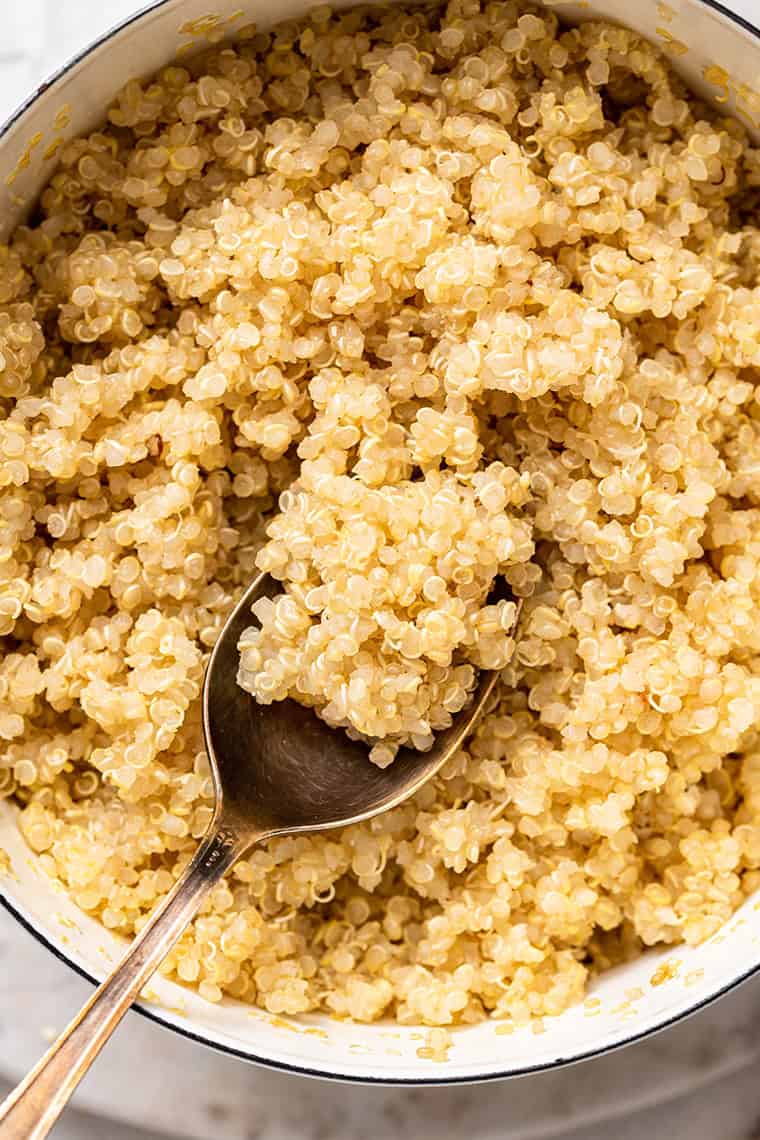
- Fluff and Serve: Remove the lid and use a fork to gently fluff the quinoa. It should be light, separated, and perfectly tender with a slight chewiness. Serve immediately or cool for later use.
This method, particularly the initial uncovered boil and simmer, is the key to preventing the dreaded overcooked, mushy texture. You'll achieve beautifully separate grains every single time, making this your go-to how to cook quinoa recipe.
Beyond the Basics: Embracing Quinoa's Versatility
With a batch of perfectly cooked quinoa on hand, the culinary possibilities are endless. Its mild flavor profile makes it incredibly adaptable to both savory and sweet applications.
- Breakfast Powerhouse: Swap out oatmeal for a warm bowl of quinoa. Mix with your favorite milk (dairy or plant-based), a spoonful of honey or maple syrup, fresh berries, nuts, and a sprinkle of cinnamon for a satisfying and protein-rich start to your day. It’s also delicious served cold with yogurt and fruit.
- Dynamic Salads & Bowls: Quinoa is the ultimate base for vibrant salads. Combine with roasted vegetables, fresh herbs, chickpeas, feta, and a zesty vinaigrette. Create nutrient-dense Buddha bowls by adding a protein (chicken, tofu, lentils), your favorite veggies, and a flavorful sauce.
- Hearty Sides: Serve it alongside grilled chicken, baked fish, steak, or your favorite stir-fry. Infuse it with flavor by cooking it in broth instead of water, or stirring in fresh herbs, lemon zest, or a pat of butter after fluffing.
- Soups & Stews: Add cooked quinoa to thicken soups and stews, boosting their nutritional value and texture.
- Baked Goods & Binders: Believe it or not, cooked quinoa can be incorporated into veggie burgers, meatloaf, or turkey meatballs as a gluten-free binder, adding moisture and protein.
The beauty of quinoa is that it truly allows for endless creativity. You could cook it every week and never use it in the same way twice!
Meal Prep & Storage Tips
Quinoa is a fantastic ingredient for meal prepping, allowing you to enjoy healthy, wholesome meals throughout the week without extra cooking. Cook a larger batch at the beginning of the week and store it for quick assembly.
- Refrigeration: Once cooled completely, transfer cooked quinoa to an airtight container. It will keep fresh in the refrigerator for up to five days.
- Freezing: For longer storage, cooked quinoa freezes beautifully. Spread cooled quinoa in a single layer on a baking sheet and freeze until solid. Then transfer the frozen grains to a freezer-safe bag or container. This prevents clumping and allows you to scoop out individual portions. It will last for up to two months in the freezer.
- Reheating: Reheat small portions in the microwave with a splash of water or broth to rehydrate. For larger quantities, warm gently in a saucepan over low heat, adding a little liquid and stirring occasionally until heated through.
Embrace the Quinoa Revolution!
No longer just a niche health food, quinoa has earned its place as a pantry essential. By understanding its unique properties and employing the simple yet effective cooking method outlined in this how to cook quinoa recipe, you can consistently achieve perfect, fluffy results. From its impressive nutritional profile as a complete protein to its incredible versatility in both sweet and savory dishes, quinoa offers a wealth of benefits for any home cook. So go ahead, experiment, explore, and let this ancient superfood elevate your everyday meals!
